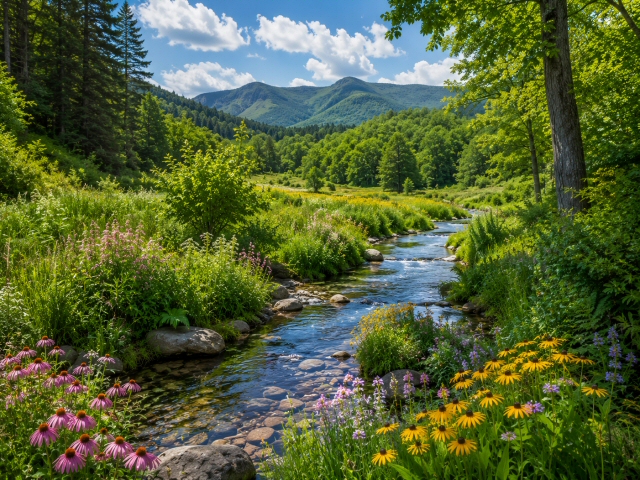
 More Americans are asking a simple but meaningful question as they think about end-of-life arrangements: What happens to the earth when I leave it? For a growing number of people, the answer to that question shapes the kind of farewell they want — and green burial is one of the most thoughtful expressions of that intention.
Whether you are curious about green burial for the first time, exploring your options, or ready to document your preferences, this guide covers everything you need to know — what green burial means, the different methods available, what it costs, and how Legacy of Love can help you pre-plan this option at no charge and pre-fund your natural burial wishes to ensure they are carried out.
A green burial — also called a natural burial — is a method of final disposition that prioritizes returning the body to the earth as naturally as possible, with minimal environmental impact. The defining characteristics are straightforward:
Without embalming fluid, synthetic materials, and non-degradable containers, the body can decompose naturally and become part of the surrounding ecosystem — returning nutrients to the soil, supporting plant growth, and leaving no lasting synthetic footprint.
Green burial is not a new concept. In fact, according to Global Green Burial Alliance Founder Ed Bixby, "We've been doing this process since the dawn of time." What is new is the formal framework around it — the certified cemeteries, the ecological design of burial grounds, and the growing awareness among consumers that they have a meaningful choice in how their final disposition affects the natural world.
It is worth noting what green burial is not: it is not cremation, which — while generally less resource-intensive than conventional burial — uses significant energy and produces direct carbon emissions. Green burial in the traditional sense involves whole-body burial without artificial preservation. That said, a family of related eco-friendly disposition methods has emerged alongside natural burial, and we cover each of them below.
“Green burial” has become a broad term that encompasses several distinct disposition methods. Here is a clear breakdown of each.
Typical cost: $1,000–$4,000 (plot, burial, and biodegradable container)
The foundational form of green burial. No embalming, no concrete vault, no metal casket. The body is placed in a biodegradable container — wood, wicker, bamboo, or a natural fiber shroud — and buried at a natural or hybrid burial cemetery. The gravesite is often marked with a native plant, a stone, or a GPS coordinate rather than a permanent headstone. Natural burial is legal in all 50 states, though access to dedicated natural burial cemeteries varies significantly by region.
Typical cost: $2,000–$5,000+
A specialized form of natural burial in which the burial takes place within a protected conservation area. Burial fees directly fund habitat preservation, ecological restoration, and land stewardship. Conservation burial grounds are certified by the Green Burial Council at their highest certification level. As of November 2024, only nine GBC-certified conservation burial grounds operate in the United States — but their ecological significance is significant. For individuals who want their final act to contribute directly to conservation, this is the deepest expression of that value.
Typical cost: $1,300–$4,000
Aquamation uses water, an alkaline solution, heat, and pressure to accelerate the body’s natural decomposition process — accomplishing in hours what would take years in the ground. The result is a sterile liquid that returns to the water cycle and dry bone fragments returned to the family, similar to cremated remains. Aquamation uses approximately 10% of the energy required for conventional flame cremation and produces no direct combustion emissions. It is considered one of the most environmentally gentle disposition methods currently available, but its legal status varies significantly by state.
Typical cost: $4,000–$5,500
Natural organic reduction — sometimes called human composting or terramation — uses a controlled environment of organic materials, oxygen, and microbial activity to transform the body into nutrient-rich soil over a period of weeks. The resulting soil can be used in a garden, forest, or conservation area of the family’s choosing. NOR is legal in Washington, Oregon, California, Colorado, Nevada, Vermont, New York (beginning 2025), and several additional states. It is currently one of the most ecologically regenerative disposition methods available. Because it remains legal in only a subset of states, geographic availability is the primary limiting factor.
Cost varies by cemetery and services selected
Many existing conventional cemeteries have added dedicated green burial sections — areas where natural burial standards apply alongside traditional plots. These hybrid cemeteries offer broader geographic access to green burial options for families who may not have a dedicated natural burial ground nearby. GBC-certified hybrid cemeteries must meet specific standards for their green sections. As of November 2024, 41 hybrid cemeteries hold GBC certification in the United States.
Green burial resonates with people for a range of reasons — environmental, personal, spiritual, and practical. These benefits are not mutually exclusive; for many families, the decision to choose green burial reflects all of them simultaneously.
Environmental Benefits
The environmental case for green burial is well-documented. According to the Green Burial Council, a conventional vault burial emits approximately 250 pounds of carbon through the manufacturing of concrete vaults, metal caskets, and embalming chemicals. A green burial, by contrast, sequesters approximately 25 pounds of carbon — a swing of roughly 275 pounds per burial. Embalming fluid typically contains formaldehyde, a known carcinogen, which can leach into surrounding soil and groundwater. Green burial eliminates this entirely. The absence of concrete vaults also preserves the natural drainage and microbiology of burial grounds.
Conservation burial takes this further: burial fees fund active habitat restoration and land preservation, turning the final act of a human life into a direct contribution to ecological health.
Personal and Values Alignment
For many people, the appeal of green burial has as much to do with meaning as with environmental impact. The idea of returning to the earth — becoming part of the soil, supporting new life, leaving no permanent synthetic mark — resonates deeply with certain spiritual and philosophical frameworks. The simplicity and naturalness of the process connects to values around authenticity, humility, and interconnection.
Green burial also tends to invite a more personal, family-centered process than conventional funerals. Family members can participate in the burial directly — carrying the body, preparing the grave, placing the shroud — in ways that conventional funeral home procedures often do not accommodate. This participation can be a meaningful part of the grieving process.
Financial Benefits
Green burials are generally less expensive than conventional funerals — not as a design goal, but as a natural consequence of eliminating embalming, metal caskets, concrete vaults, and elaborate funeral home preparations. We cover specific cost comparisons in the next section.
of American consumers now express interest in exploring green funeral options — including natural burial, aquamation, and human composting
NFDA 2025 Cremation and Burial Report
That figure from the National Funeral Directors Association is striking. Just a few years ago, green burial was widely characterized as a niche preference held by a small segment of environmentally motivated consumers. That characterization no longer holds. Nearly two-thirds of American consumers are now at least considering green funeral options — a shift that the NFDA describes as reflecting mainstream consumer preferences rather than a fringe movement.
of Americans surveyed said they would prefer a green or natural burial for themselves — up from 6% just a few years prior
increase in demand for green burials reported by cemeteries across the United States
The trend is visible at the institutional level as well. In November 2024, the U.S. Department of Veterans Affairs opened dedicated green burial sections at three national cemeteries — in Colorado, Arizona, and Florida — responding to documented demand from veterans. A 2014 VA survey found that 41% of veterans agreed the VA should offer an environmentally friendly burial option, with support highest among veterans ages 18–39.
As of November 2024, approximately 470 green burial cemeteries operate in the United States and Canada, according to the Green Burial Council — a number that continues to grow as consumer demand increases and conventional cemeteries add hybrid green burial sections.
Legacy of Love VP Kelly Andreason discussed these trends in a recent conversation with the Global Green Burial Alliance, exploring how independent pre-planning services can help families document and fund green burial preferences well before any need arises. Watch the full conversation here »
One of the most common questions about green burial is whether it is more or less expensive than conventional alternatives. The answer, for most natural burial methods, is meaningfully less expensive — primarily because green burial eliminates several of the most costly components of a conventional funeral: embalming, metal or mahogany caskets, and concrete burial vaults.
| Disposition Method | Typical Cost Range | Key Notes |
|---|---|---|
| Conventional burial with viewing | $8,300–$12,000+ | NFDA 2023 median $8,300, not including cemetery fees, plot, headstone, or flowers |
| Natural burial | $1,000–$4,000 | Includes plot, burial, and biodegradable container. Funeral home fees may apply separately if used. |
| Aquamation (alkaline hydrolysis) | $1,300–$4,000 | Legal in ~23 states. Bone fragments returned to family similar to cremation. |
| Human composting (NOR) | $4,000–$5,500 | Legal in ~13 states as of 2025. Produces nutrient-rich soil for family use. |
| Conservation burial | $2,000–$5,000+ | Burial fees fund active habitat preservation and land conservation. |
| Direct cremation (for comparison) | $700–$2,500 | NFDA 2023 median $6,280 for cremation with service; direct cremation only is significantly less. |
Cost ranges are estimates based on publicly available data from multiple sources as of 2025. Actual costs vary by geographic region, specific provider, and services selected. Funeral home fees, transportation, and documentation costs may be additional.
The lower cost of natural burial is a meaningful practical benefit — but it is important to approach it in context. Green burial is chosen by most people primarily for personal and environmental reasons, not as a cost-cutting measure. The cost advantage is real, but it is a consequence of the approach, not its purpose.
It is also worth noting that even at the lower end of the green burial cost range, these are meaningful expenses that benefit from advance planning. Knowing what a specific burial site costs, what documentation is required, and how to fund those costs before any need arises removes financial uncertainty and decision-making burden from your family at the time of your passing.
The primary resource for locating certified green burial providers in the United States is the Green Burial Council (GBC) — an educational nonprofit that certifies burial grounds, funeral homes, and products against defined ecological standards. The GBC certifies providers at three levels:
GBC certification is a meaningful quality signal, but it is important to note that many cemeteries operate according to green burial standards without pursuing formal certification. The GBC’s own press materials note that their estimate of 470 green burial cemeteries in the U.S. and Canada likely understates the actual total, as many uncertified providers follow the same practices.
Geographic availability varies. Some regions have robust green burial options; others have limited access, particularly in urban areas where zoning and cemetery regulations are more restrictive. If your preferred green burial method is not available locally, your Legacy of Love counselor can help you research what is available in your area and document your preferences accordingly.
Green burial is a viable pre-planning option — and pre-planning it brings exactly the same benefits that pre-planning any funeral does: your wishes are documented and protected, your family knows exactly what you wanted and where to go, and the financial arrangements are in place so no one is left navigating costs and logistics under grief.
Here is how the process works with Legacy of Love:
The planning itself is completely FREE. There is no obligation and no purchase required to document your green burial preferences and receive your My Final Wishes Binder and Online Legacy Vault. Costs are only incurred if you choose to pre-fund your plan with an insurance policy.
“Especially when it comes to green burial, if your family's not familiar with that as even being an option, or your local funeral home provider may or may not offer that as an option, it's good to have those wishes defined up front so that your family can honor what you would want. Legacy of Love can provide that alternative approach to traditional funeral pre-planning that puts families in control — whether they are choosing a conventional service, a celebration of life, or something as personal as a natural burial. The planning process starts with understanding what the individual actually wants, and then building the documentation and funding around that.”
For more on how green burial fits into the broader range of disposition and service options, see our related articles: Burial or Cremation: Comparing the Process, Costs, and What Could Influence Your Choice and Celebration of Life vs. Funeral: Which Is Right for You?
Pre-plan your green burial with Legacy of Love — completely FREE, no obligation. Document your preferences, store them securely, and ensure your family knows exactly what you wanted and how to make it happen.
Start My Free Funeral Plan →Green burial is not a trend that will plateau and fade. It is the expression of a values shift that is already mainstream — a recognition that how we care for the earth in life and in death are connected. Whether you are drawn to natural burial for its environmental benefits, its simplicity, its cost, its spiritual resonance, or some combination of all of these, it is a legitimate and growing option that deserves the same thoughtful pre-planning as any other final arrangement.
The most important step is simply to make your wishes known — in writing, stored somewhere your family can find them. Legacy of Love exists to make that step easy, free, and completely on your terms. Start Your Free Funeral Plan Here » or call us at 833-888-0355.
SOURCES
* Legacy of Love is not affiliated with the Green Burial Council, the Global Green Burial Alliance, or any specific green burial cemetery or provider. Cost estimates are based on publicly available data from multiple sources as of 2025 and are approximate. Availability of specific disposition methods varies by state. Consumers should verify current legal availability and costs with local providers.